November 11, 2026
Nine Questions to Ask Before Accepting a Roofing Quote
By @tysoniphq770
A roof is one of the most significant investments you can make in your home, and in South-East Queensland it works harder than most. Intense UV, summer storms, hail, cyclonic wind events at the edge of the tropics, and high humidity all take a toll on roofing materials. Whether you are looking at a full replacement, a re-roof, a restoration or a major repair, the quote you accept shapes the quality, cost and longevity of the job. A low price can hide shortcuts, and a high price does not guarantee quality. Asking the right questions before you sign helps you compare quotes fairly and avoid expensive surprises.
The nine questions below are designed for homeowners in Brisbane, the Gold Coast, the Sunshine Coast, Ipswich, Logan, Moreton Bay and surrounding areas. Use them as a checklist when you speak with each roofing contractor.
1. Is the Contractor Properly Licensed and Insured?
In Queensland, roofing work is regulated by the Queensland Building and Construction Commission (QBCC). Contractors carrying out roofing work above the relevant value thresholds must hold the appropriate QBCC licence class. Ask for the licence number and verify it on the QBCC website. Check that the licence covers the type of work quoted, whether that is roof plumbing, roof tiling, metal roofing or general roof carpentry.
Also ask for current certificates of insurance, including public liability and, where applicable, workers' compensation cover. If an uninsured worker is injured on your property or your home is damaged during the job, you could face serious financial exposure.
2. Does the Quote Include Domestic Building Insurance?
For residential building work in Queensland over the statutory threshold, the contractor must provide home warranty insurance (now commonly referred to as QBCC Home Warranty Insurance) before accepting a deposit or starting work. This protects you if the contractor dies, disappears or becomes insolvent before the job is complete or fixes defects. Ask whether the cost is included in the quote and request a copy of the certificate once it is issued. Thresholds and rules can change, so confirm the current requirements with the QBCC.
3. What Exactly Is Included in the Scope of Work?
A good quote is itemised and specific. Vague descriptions such as "re-roof house" make it difficult to compare offers. Ask the contractor to detail what is covered, including:
- Removal and disposal of the existing roofing material, including the cost of skip bins
- Replacement of battens, sarking, insulation and anticondensation blanket where needed
- Flashings, ridge capping, valley gutters and box gutters
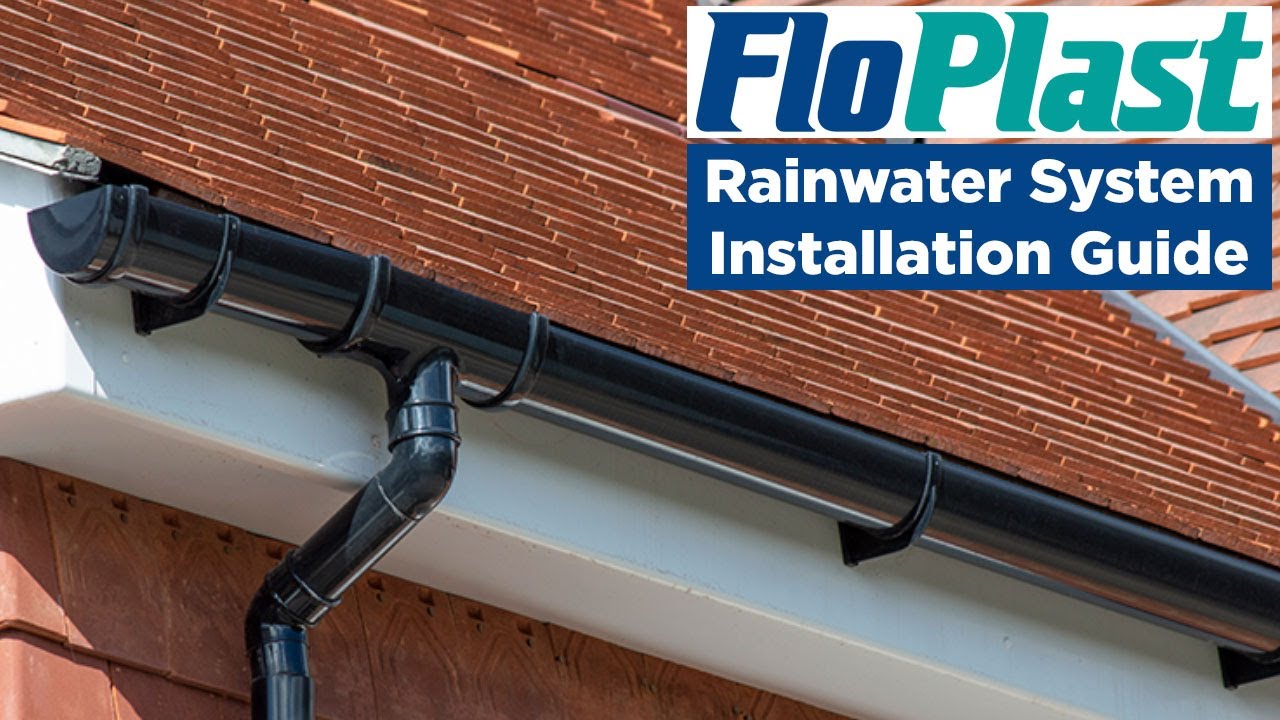
- New gutters, downpipes and fascia if applicable
- Allowance for replacing damaged timber, with a stated per-metre or per-sheet rate for variations
- Roof safety measures, scaffolding or edge protection
- Site clean-up, including magnetic sweeping for nails and screws
When two quotes differ significantly, the gap often comes down to items left out of the cheaper one.
4. What Materials Will Be Used, and Are They Suited to Local Conditions?
The brand, grade and thickness of materials matter. Ask for the specific product names, colour options and specifications rather than accepting generic descriptions. For metal roofing, ask about the base metal thickness (BMT), the coating type and the corrosion protection rating. This is especially important for homes near the coast of Moreton Bay, the Gold Coast or the Sunshine Coast, where salt air accelerates corrosion. For tiles, ask whether they are concrete or terracotta and what the manufacturer's warranty covers.
Colour is also a practical consideration. Lighter, solar-reflective colours can reduce heat absorption, which is a real benefit during long Queensland summers. Ask about the Solar Absorptance value of the colour you are considering, and whether it affects the warranty or any relevant energy rating.
5. Does the Work Comply with Australian Standards and the Building Code?
Roofing in Queensland must meet the National Construction Code (NCC) and relevant Australian Standards, including those for wind loads, fixings and roof drainage. South-East Queensland sits in wind regions that require appropriate fastening and tie-down, particularly for re-roofs on older homes. Ask the contractor how they will confirm that the existing roof frame can support the new materials and whether upgraded fixings or tie-downs are part of the quote.
Ask too about roof plumbing. Gutters, downpipes and flashings must be installed to standard, and in many cases require a licensed plumber. Stormwater connections should be handled properly to avoid water pooling or flowing toward your foundations.
6. What Warranties Are Offered, and What Do They Cover?
There are generally two types of warranty to consider: the manufacturer's warranty on the materials and the contractor's workmanship warranty. They are not the same, and a long material warranty means little if the installation is faulty. Ask for both in writing and find out:
- How many years each warranty lasts
- What is covered and, just as importantly, what is excluded
- Whether the warranty is transferable if you sell the property
- Who you contact to make a claim and how long it typically takes to respond
Under Queensland law, statutory warranties also apply to building work, so a reputable contractor should be comfortable discussing both their own guarantee and your legal protections.
7. What Is the Timeline, and How Will Weather Be Managed?
Ask for a start date, an estimated duration and a completion date. Roofing work is weather-dependent, and South-East Queensland's wet season, which generally runs from November through to April, can cause delays. Storm season also increases demand for roofers, so lead times can stretch after major weather events.

Just as important is how the contractor protects your home when rain is forecast. Ask how they will cover exposed areas, whether they strip only as much roof as they can replace in a day, and what happens if conditions halt work for several days. A contractor with a clear weather plan is far less likely to leave your home exposed to water damage.
8. What Are the Payment Terms?
Payment arrangements are regulated under Queensland building law. Deposit limits apply to domestic building contracts, and progress payments should be tied to the stage of work completed rather than demanded upfront. Be cautious of any contractor who requests a large deposit, cash-only payment or full payment before the job is done.
Ask for a written contract that sets out the total price, the payment schedule, how variations will be priced and approved, and what happens if the scope changes after the old roof is removed. Hidden rot in battens or rafters is a common cause of variations, so a clear process for handling them avoids disputes later.

9. Can You Provide References and Examples of Similar Work?
A confident contractor will happily share recent local projects and references from previous customers. Ask for examples of jobs similar to yours in size and roof type, and where possible, speak with past clients or inspect completed work. Look at online reviews across several platforms rather than relying on a single source, and check for patterns in the feedback, such as consistent comments about communication, tidiness or how the contractor handled problems.
It is also worth asking how long the business has operated locally and whether the same crew will carry out the work or subcontractors will be used. If subcontractors are involved, confirm that they hold the required licences and insurance.
Comparing Quotes Fairly
Aim to collect at least three written quotes, and make sure each is based on the same scope, materials and standards. Lay them side by side and compare line by line rather https://roofrestorationseq.com.au/roofing-ventilation-systems/ than just looking at the bottom figure. Treat unusually low quotes with caution, since they can reflect lower-grade materials, excluded items, unlicensed labour or the expectation of variations once work begins.
Be wary of high-pressure tactics such as "today only" discounts or door-knocking offers following a storm. A professional contractor will give you time to review the paperwork and ask questions. If you are making an insurance claim for storm or hail damage, speak to your insurer before committing, as they may have specific requirements about repairs, approved scopes of work or preferred processes.
Final Thoughts
Choosing a roofer is about more than finding the lowest price. By confirming licensing, insurance, scope, materials, compliance, warranties, timing, payment terms and track record, you protect your home and your budget. Take the time to ask these nine questions, get everything in writing, and verify the answers independently. A well-installed roof suited to South-East Queensland's climate can provide decades of reliable protection, and the effort you put in before signing is among the best investments you can make in that outcome.
SEQ Roof Restoration Experts
Unit 6/25 Lerna St, Woolloongabba QLD 4102
(07) 3132 3236
❧